Carnivorous Plants in Phu Quoc: The Ultimate Guide to the Island's Insect-Eaters
Phu Quoc Island is famous for its white-sand beaches and luxury resorts, but hidden within its unique ecosystems lies a paradise for nature enthusiasts: carnivorous plants. The island’s nutrient-poor, acidic, and sandy soils have created the perfect evolutionary breeding ground for insect-eating flora.
If you are a plant lover exploring Phu Quoc, here is your ultimate guide to discovering the four most fascinating carnivorous plant species thriving on the island: Nepenthes mirabilis, Nepenthes kampotiana, Drosera indica, and Drosera burmannii.
1. The Tropical Pitcher Plants (Nepenthes Species)
Phu Quoc is home to spectacular vine-like carnivorous plants that capture prey using pitfall traps (pitchers) filled with digestive enzymes.
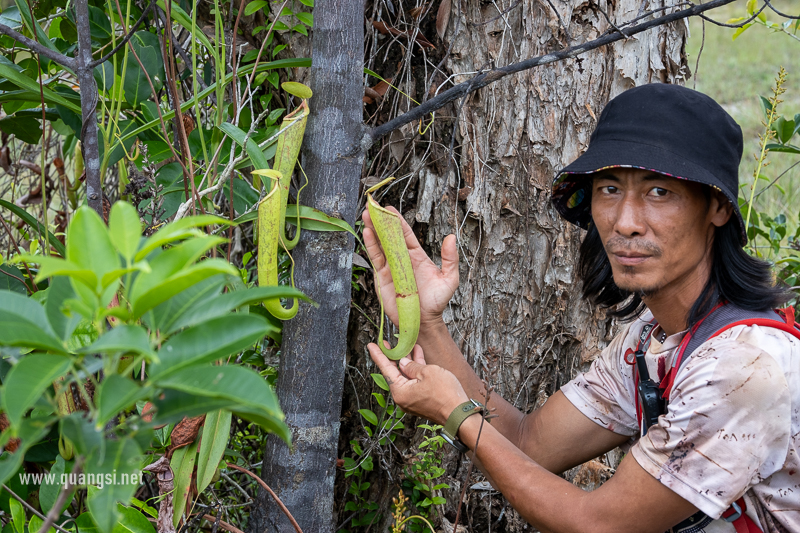
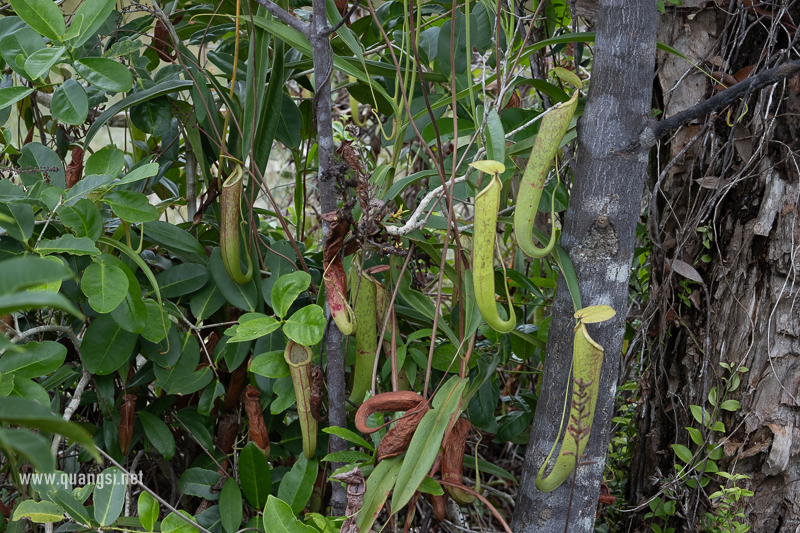
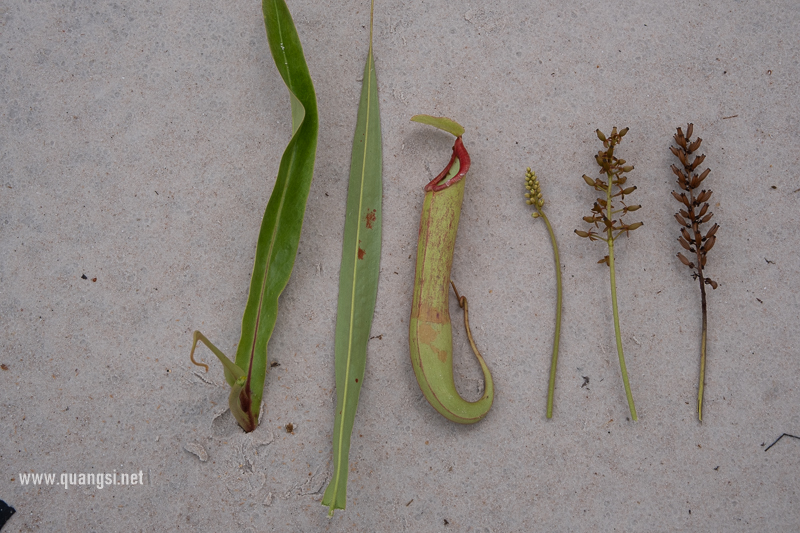
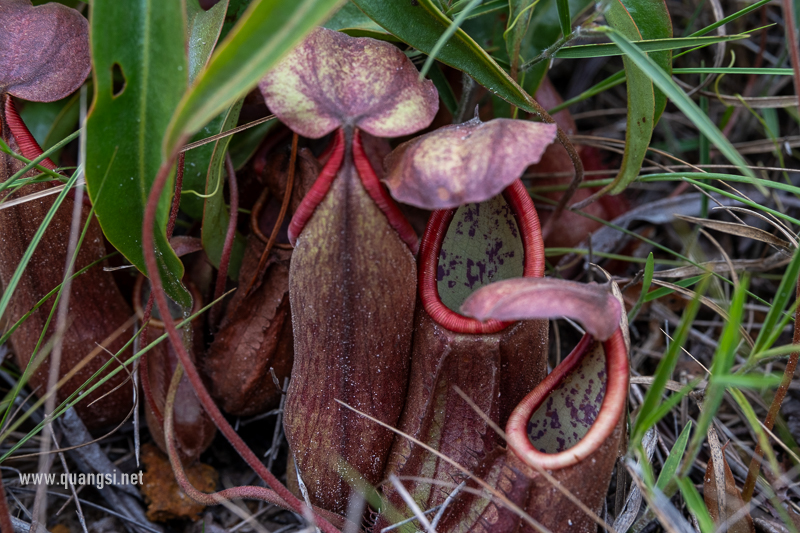
Nepenthes Mirabilis
This is the most widespread tropical pitcher plant on the island. Nepenthes mirabilis is highly adaptable, often found climbing on shrubs in sunny, damp areas. Its pitchers are typically elongated and green, sometimes flushing with bright red tones near the rim (peristome) to attract ants, flies, and beetles.
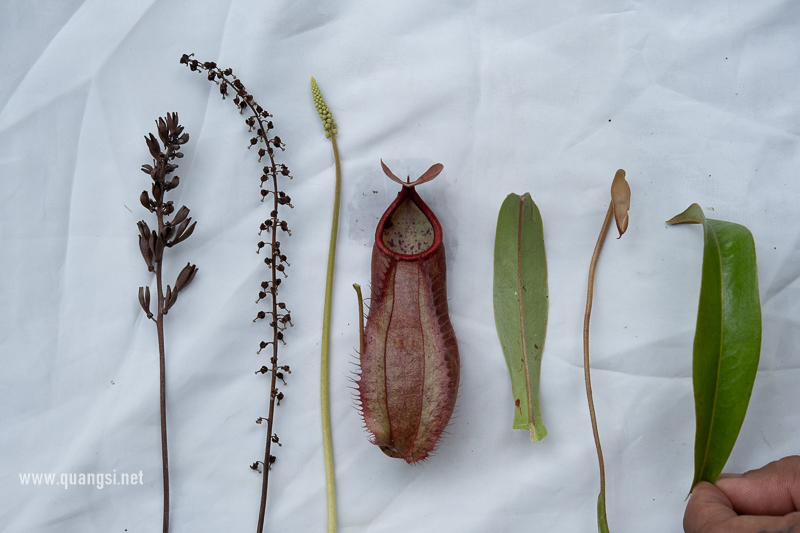
Nepenthes Kampotiana
Named after the coastal region neighboring Vietnam, Nepenthes kampotiana is a localized treasure. It adapts brilliantly to the seasonal droughts of Phu Quoc. Compared to N. mirabilis, its pitchers are generally stouter, boasting rich crimson shades and a distinct neck shape. Seeing this species in the wild is a true highlight for any botanist.
2. The Sundews (Drosera Species)
Aside from pitcher plants, Phu Quoc’s wet savannahs host tiny, glistening killers known as sundews. They catch insects using flypaper traps—sticky, glandular hairs that sparkle like morning dew.
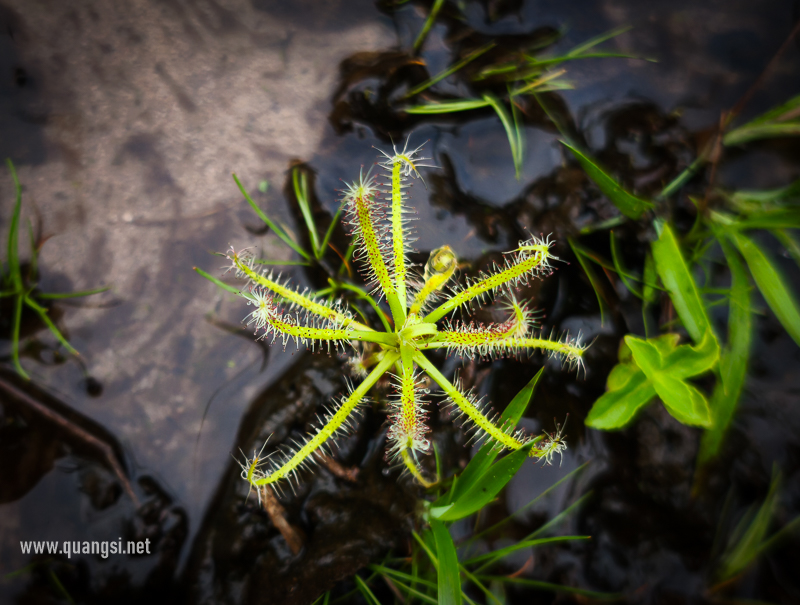
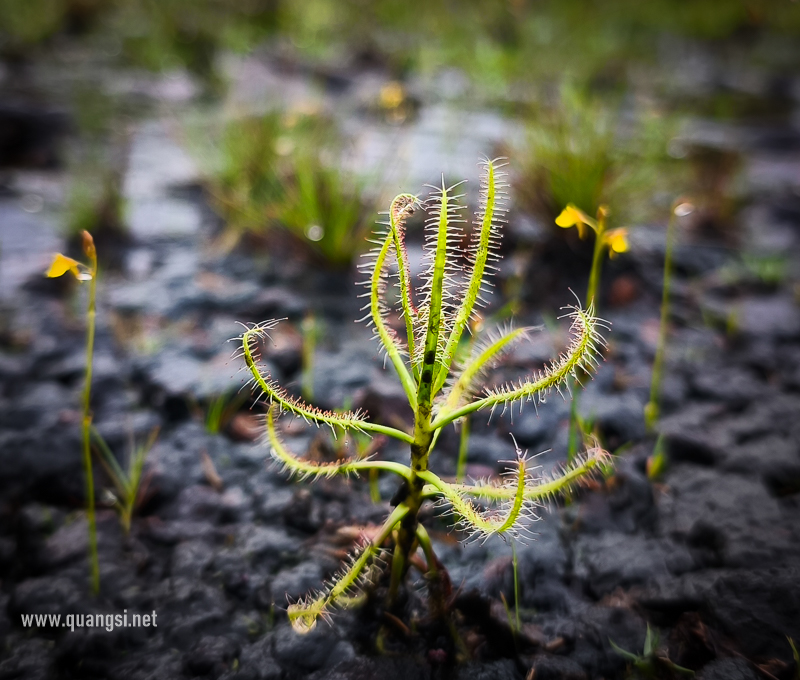
Drosera Indica (Indian Sundew)
Drosera indica is an erect, yellowish-green annual herb with long, narrow leaves covered in sticky tentacles. It grows in wet, sandy clearings. When an insect lands on the leaf, it gets stuck in the mucilage, and the leaf slowly curls around the prey to digest it alive.
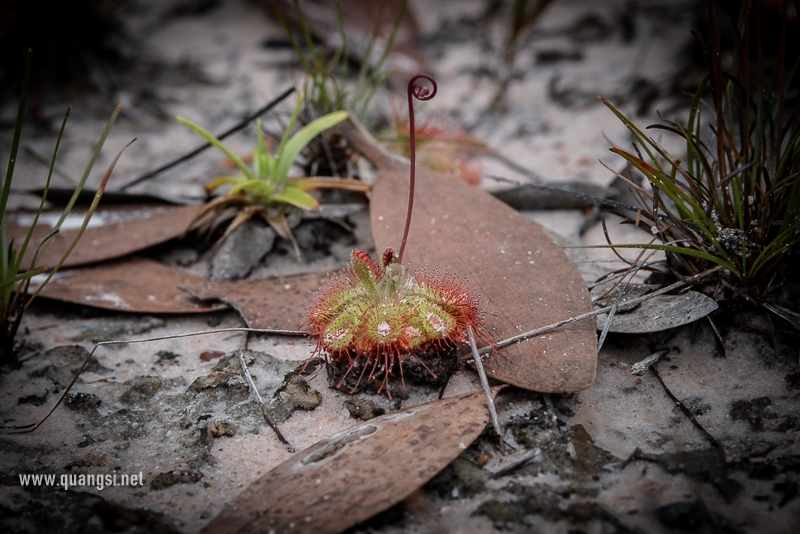
Drosera Burmannii (Burmann’s Sundew)
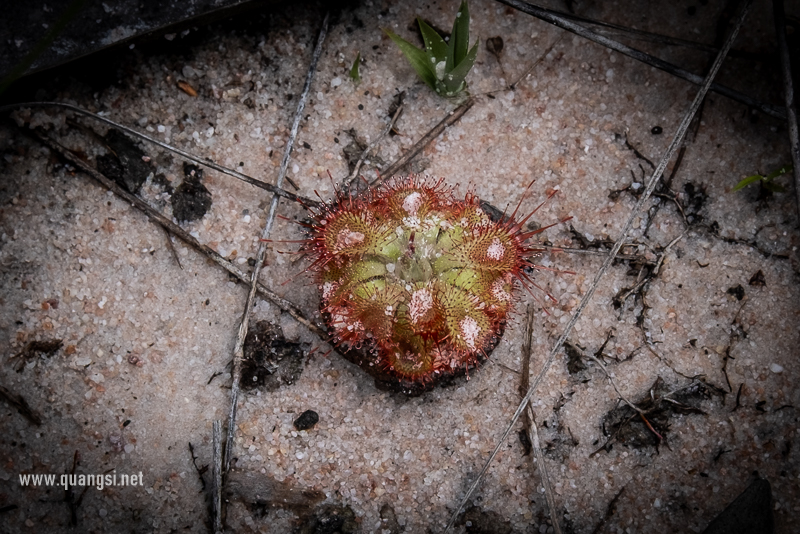
Drosera burmannii is one of the fastest-moving sundews in the world. It grows as a small, flat rosette close to the ground, looking like a crimson stamp on the white sand. Its edge tentacles can snap inward in less than a second to trap an insect securely, making it an aggressive and highly efficient hunter.
Where to Find Carnivorous Plants in Phu Quoc
These species thrive in open, sun-drenched environments with high humidity and water-logged sandy soils.
Phu Quoc National Park Trails: Excellent for spotting climbing Nepenthes mirabilis along the forested eco-tourism paths.
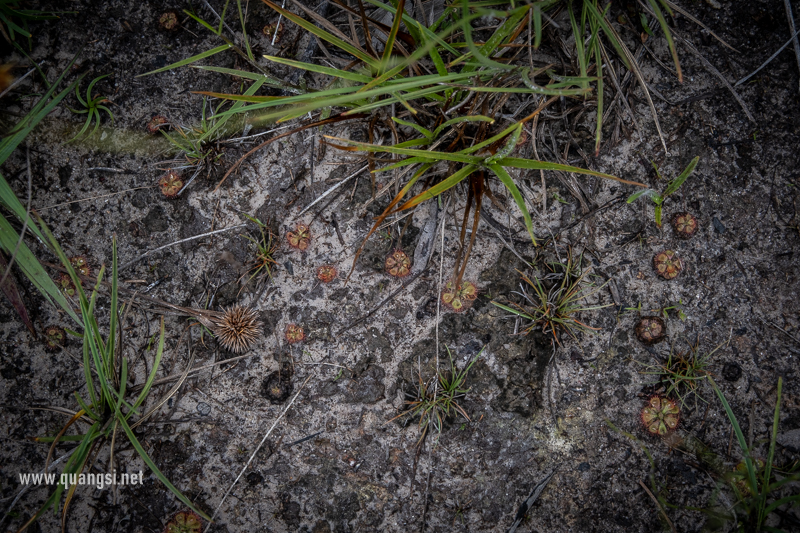
The Lowland Wetlands & Wet Savannahs: Look closely at the ground in the open plains near the foothills of the Ham Ninh mountain range. This is where the tiny Drosera burmannii and Drosera indica carpet the wet sand during the rainy season.
Disturbed Acidic Soils: Keep an eye out along the edges of dirt roads or sunlit clearings where forest fires or clearings have occurred, as pitcher plants love the direct sunlight.
Tips for Eco-Tourists and Photographers
Finding these botanical wonders is an unforgettable experience, but protecting them is crucial.
Look, Don’t Touch: Tipping the pitchers drains their essential digestive fluid. Touching the sundews ruins their sticky traps, forcing the plant to waste precious energy rebuilding them.
Strictly No Poaching: Wild poaching severely threatens Phu Quoc’s biodiversity. Never dig up wild plants; they rarely survive outside their specific microclimate anyway.
Watch Your Step: Sundews are incredibly small (especially Drosera burmannii). Stick to designated paths to avoid trampling these fragile micro-habitats.
Conclusion
Discovering carnivorous plants in Phu Quoc adds a thrilling, wild layer to any island itinerary. From the climbing vines of Nepenthes to the shimmering traps of Drosera, the island’s flora highlights nature’s incredible power of adaptation.
Next time you explore Phu Quoc, look past the shoreline—an ancient, insect-eating world is waiting at your feet, and quangsi.net is proud to share its secrets.
If you’d like to see the carnivorous plants in Phu Quoc, they are included in most of our tours.
Join us on a trekking tour to explore the hidden gems of Phu Quoc National Park, where you can encounter rare wildlife, admire stunning waterfalls, and enjoy the fresh air. You will also visit Rach Vem, a charming fishing village, where you can interact with the locals and taste their delicious seafood. Don’t miss this chance to discover the wild beauty of Phu Quoc island with us!